search external open nav close

CIE Hub

The mesh cold weather base layer (MCWBL) is similar to flame resistant lightweight cold weather underwear set except the fabrics and design have been modified to improve moisture regulation and thermal performance in an extreme cold weather environment.

The mesh cold weather drawers are part of a base layer set intended for use with the cold weather clothing layering system worn by personnel of the United States Marine Corps.

The mesh cold weather undershirt is part of a base layer set intended for use with the cold weather clothing layering system worn by personnel of the United States Marine Corps.

USMC cold weather cap is not a replacement for the currently sustained USMC microfleece hardface cap but would be worn separately from the current cap when increased protection from wet and dry cold weather environments is needed.

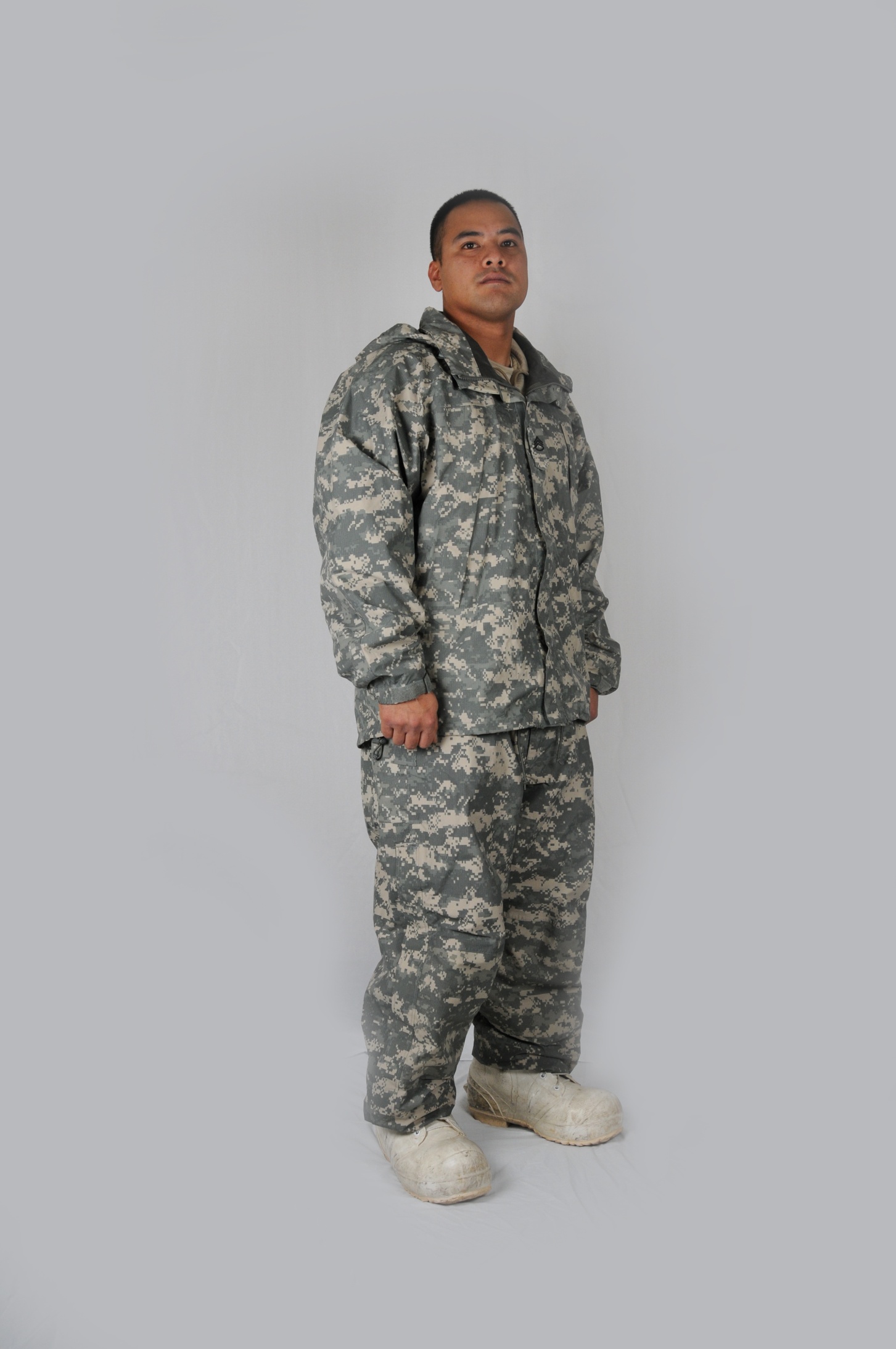
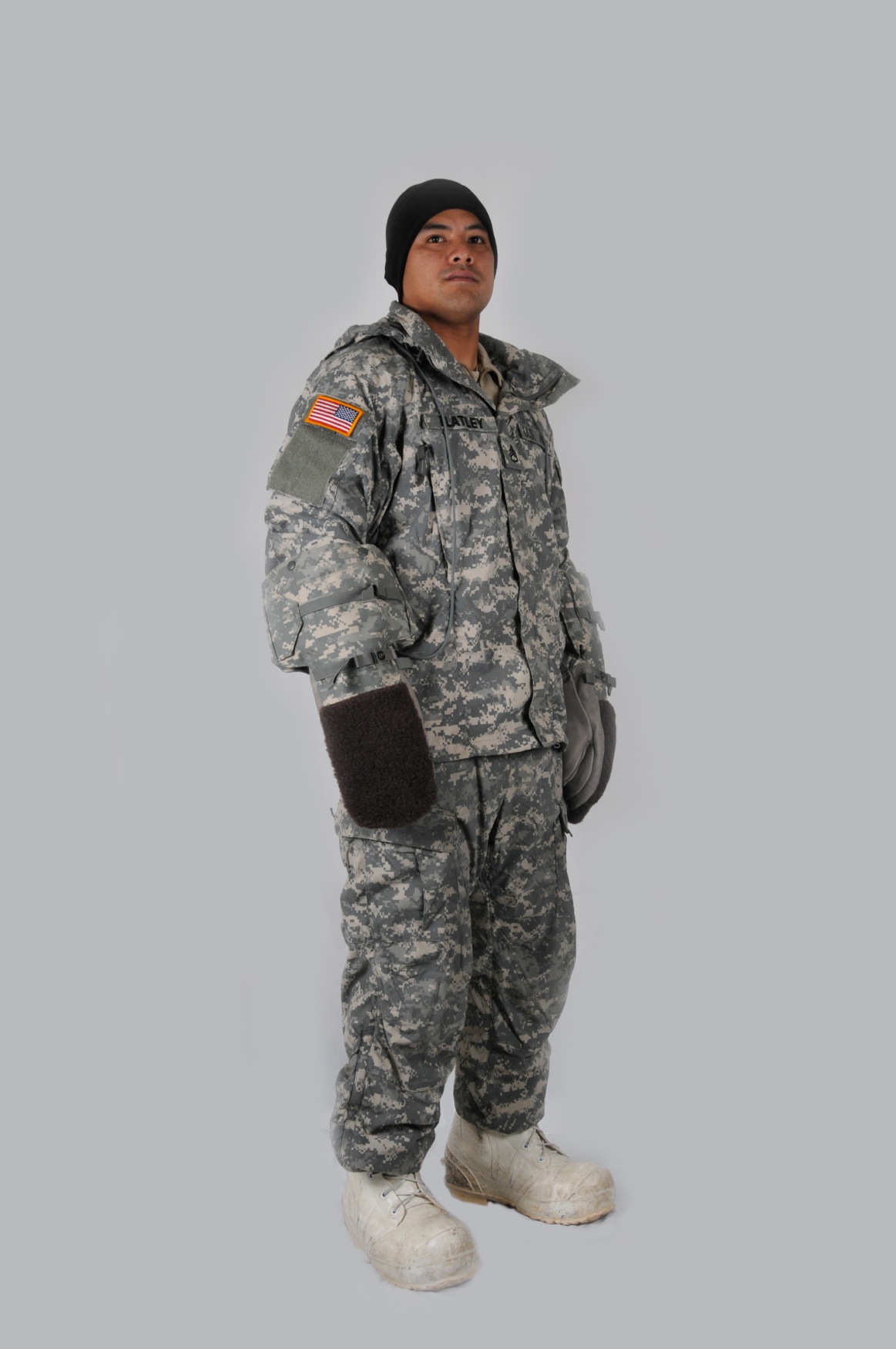
The parka and trousers are the outermost level of protection in the system designed for use during static operations in extreme cold, dry conditions.

The jacket and trousers are designed for use in cold, wet conditions alternating between freezing and thawing as a hard shell layer combined with other base and insulative layers.The jacket and trousers provide a lightweight, completely waterproof, windproof and breathable level of protection against the elements.

The jacket and trousers are designed for use in moderate to cold weather conditions as a soft shell layer combined with other base and insulative layers.The jacket and trousers provide light weight, low bulk and extreme comfort for movement.

The wind jacket is designed to act as a low volume shell layer in transitional environments to provide wind and sand protection, optimizing the performance of moisture wicking along with insulation layers when combined with body armor or the Army Combat Uniform.

The jacket is designed to act as the primary insulation layer for use in moderate to cold climates.It is also approved to wear as an outer garment.The jacket creates air pockets that trap air and retain body heat providing outstanding warmth without weight.This comfortable garment offers excellent breathability, dries quickly and provides environmental protection while maintaining low bulk and durability.

The shirt and drawers are designed to provide light insulation for use in mild climates as well as a base layer for colder climates, worn next to skin by itself or in conjunction with other levels (level I) for added insulation and to aid in the transfer of moisture.Fabric is slightly different than level I in that it provides extra warmth but still wicks moisture away from the skin to allow for quicker evaporation.

The undershirt and drawers are designed to be worn next to skin by itself and to transfer moisture from the skin to the outside of the fabric where it spreads rapidly for quicker evaporation.

The M-1943 field jacket is a windproof, water-repellent jacket which is used in temperate and cold climates as the necessary windproof outer shell. It may be worn over a shirt, sweater and pile jacket, or any combination of the three.

Wear guidance for cold weather clothing fielded by the Program Manager, Infantry Combat Equipment, Marine Corps Systems Command (PM ICE, MARCORSYSCOM).

In an effort to meet its ever changing environmental challenges, The Marine Corps has identified a need for a Combat Desert Jacket (CDJ) that will provide protection from the unique environmental nature of the desert.

Cold Temperature and Artic Protective System (CTAPS) is a soldier head to toe clothing ensemble with -65 to +45°F environmental protection.

The M-65 cold weather insulating helmet liner cap is worn alone or as a liner for the helmet assembly. The earflaps are fasten under or over chin, at back of neck, or are folded up around the top with the touch-and-close fasteners crisscrossed in the front.

The MQ-1 (Model Quartermaster 1) olive drab pile field cap is a modified version of the olive drab pile field cap. The pile lining of the original visor, which caused visual interference and forehead discomfort when the visor was lowered, was eliminated. The MQ-1 cap was adopted as the M-1951 pile field cap.

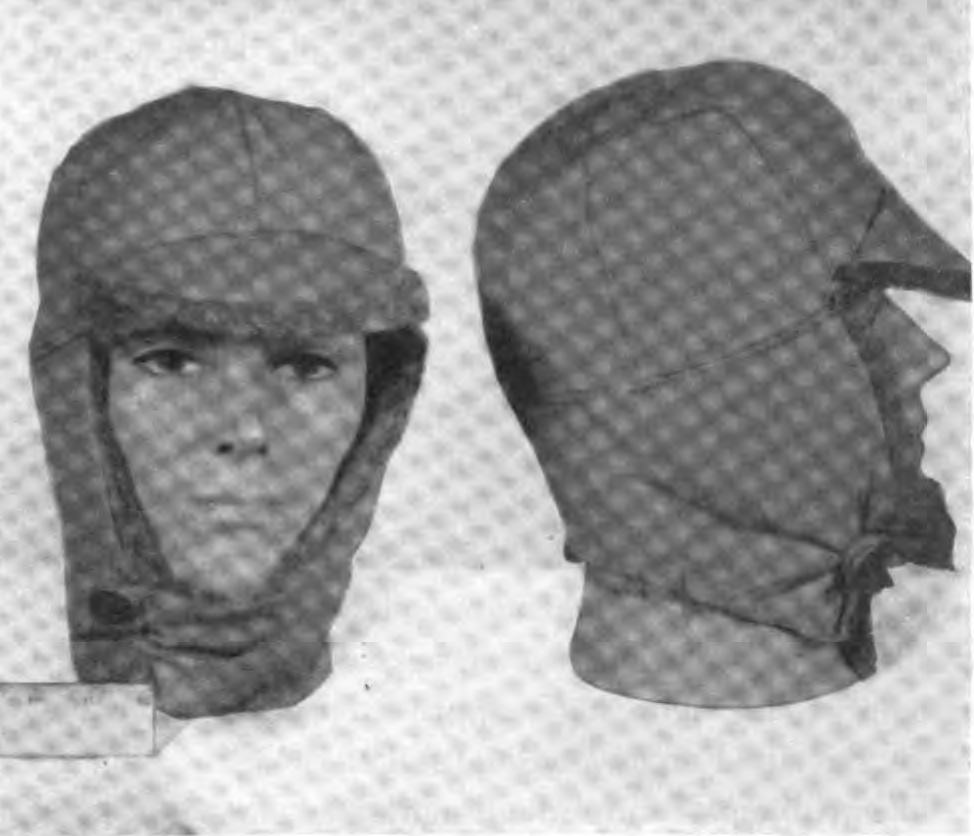
The olive drab pile field cap consists of a wind-resistant, water-repellent, poplin outer shell with a pile lining, a flexible visor, which can be worn up or down, and pile ear flaps with an drawcord closure. It was designed for wear in extreme cold.

The olive drab cotton field cap is a visor style with retractable earlaps lined with wool flannel, and grommets for ventilation. It was designed to be worn with the M-1943 field jacket. It could also be worn under the hood of that jacket and with the steel helmet and liner.

The Protective Combat Uniform (PCU) is an interchangeable 15-piece, 7-level ensemble (the original block 0 configuration) that can be worn in layers appropriate for the mission.The PCU replaces the LEP.

The LEP layer 4 fleece jacket is fabricated in a heavyweight fleece fabric. It has a collar, zipper front closure, pit zips, two zippered hand warmer pockets, inner pockets and a windproof front and back yoke.

The LEP layer 5 wind resistant fleece jacket is fabricated in heavyweight fleece wind resistant fabric. It is the same basic design as the layer 4 heavyweight fleece jacket with the addition of wristovers and a hood.

The extended cold weather parka and trousers are new ECWCS development items.The parka and trousers serve as the windproof, waterproof layer in the system.

The Generation III Extended Cold Weather Clothing System (GEN III ECWCS) was designed to be functional in multiple cold weather climates and activities.It consists of a versatile, multi-layered insulating system that allows the Soldier to adapt to varying mission requirements and environmental conditions.